Heritage Wharf
£110m GDV GDV — Listed Building Conversion & New Build
£110m
GDV
£11m+
Listed Building Uplift Cost
30%
Council's Affordable Housing Ask
15%
Inspector's Award
320
Units Unlocked
6 months post-appeal
Construction Start
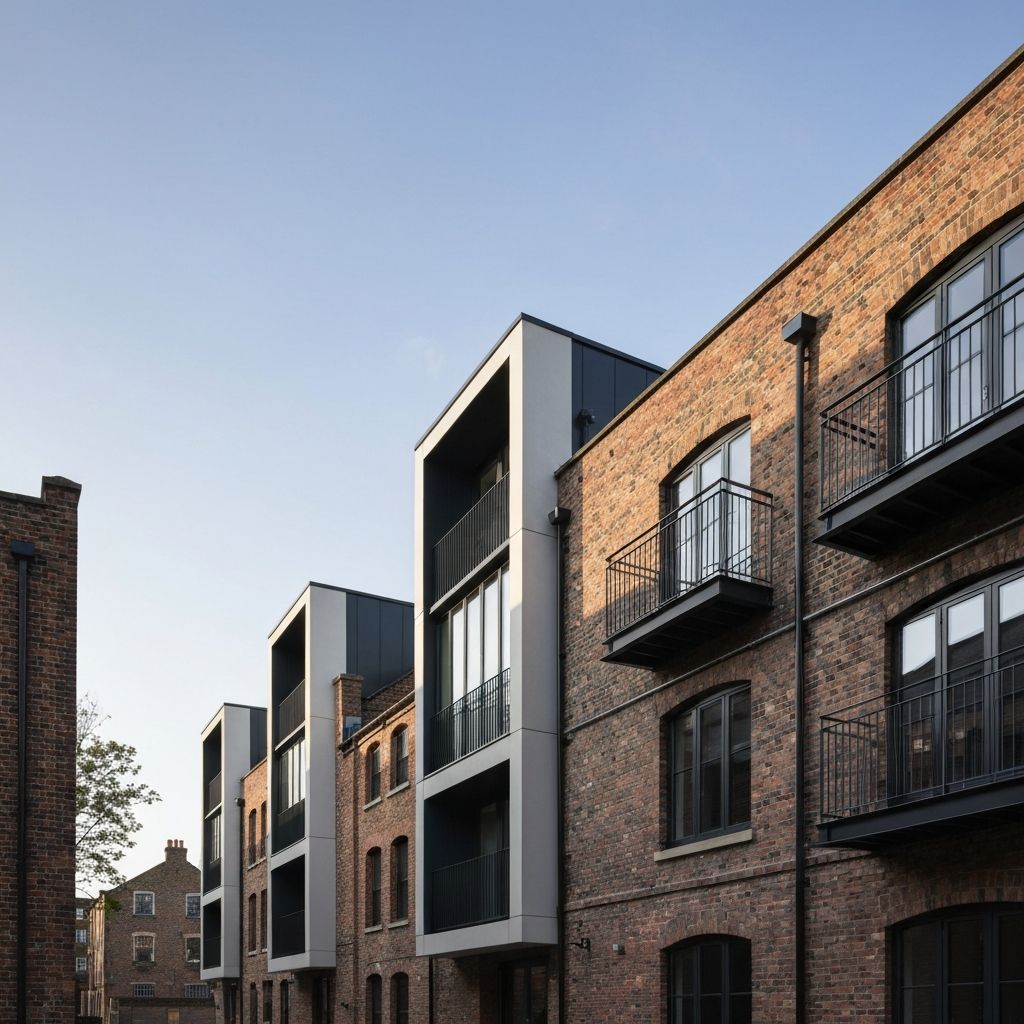
Heritage Wharf is a transformative regeneration project in Leeds's South Bank regeneration zone, converting a Grade II listed Victorian warehouse complex and delivering new-build residential buildings across a 2.8 hectare canalside setting. The 320-unit project combines sensitive heritage restoration with contemporary new-build residential. Affintis was instructed as expert viability witnesses to support an appeal following a refusal of planning permission on affordable housing grounds.
Client
Northern Regeneration Partners LLP
Sector
Listed Building Conversion & New Build
Location
Leeds
Completion
2024
Services Provided
- Expert Witness at Planning Appeal
- Heritage Cost Assessment
- Benchmark Land Value Analysis
- Open-Book Viability Appraisal
- Planning Inquiry Advocacy
Listed building conversion with exceptional costs requiring reduced planning obligations to ensure delivery. The scheme had been refused planning permission after the council rejected the developer's viability position, insisting on 30% affordable housing. The listed building conversion works carried abnormal cost premiums of over £11m compared with an equivalent new-build scheme, but the council's appointed assessors had not adequately credited these exceptional costs in their viability review.
Affintis prepared detailed expert witness evidence for the planning appeal, instructing specialist heritage contractors to provide independently verified cost estimates for the listed building works. We prepared a robust rebuttal of the council's viability methodology, demonstrating errors in their benchmark land value and their treatment of exceptional costs. We appeared at the public inquiry and were cross-examined over two days, presenting the financial model in full open-book format.

Expert witness evidence at appeal secured reduced affordable housing contribution, unlocking the stalled scheme. The Planning Inspector accepted our evidence and allowed the appeal, finding that the council's viability assessment was methodologically flawed. The Inspector required 15% affordable housing (rather than the 30% sought by the council), enabling the scheme to proceed. Construction commenced within six months of the appeal decision.