Proven results across sectors
Explore how we have helped developers, housing associations, and local authorities navigate complex viability challenges to deliver successful projects.
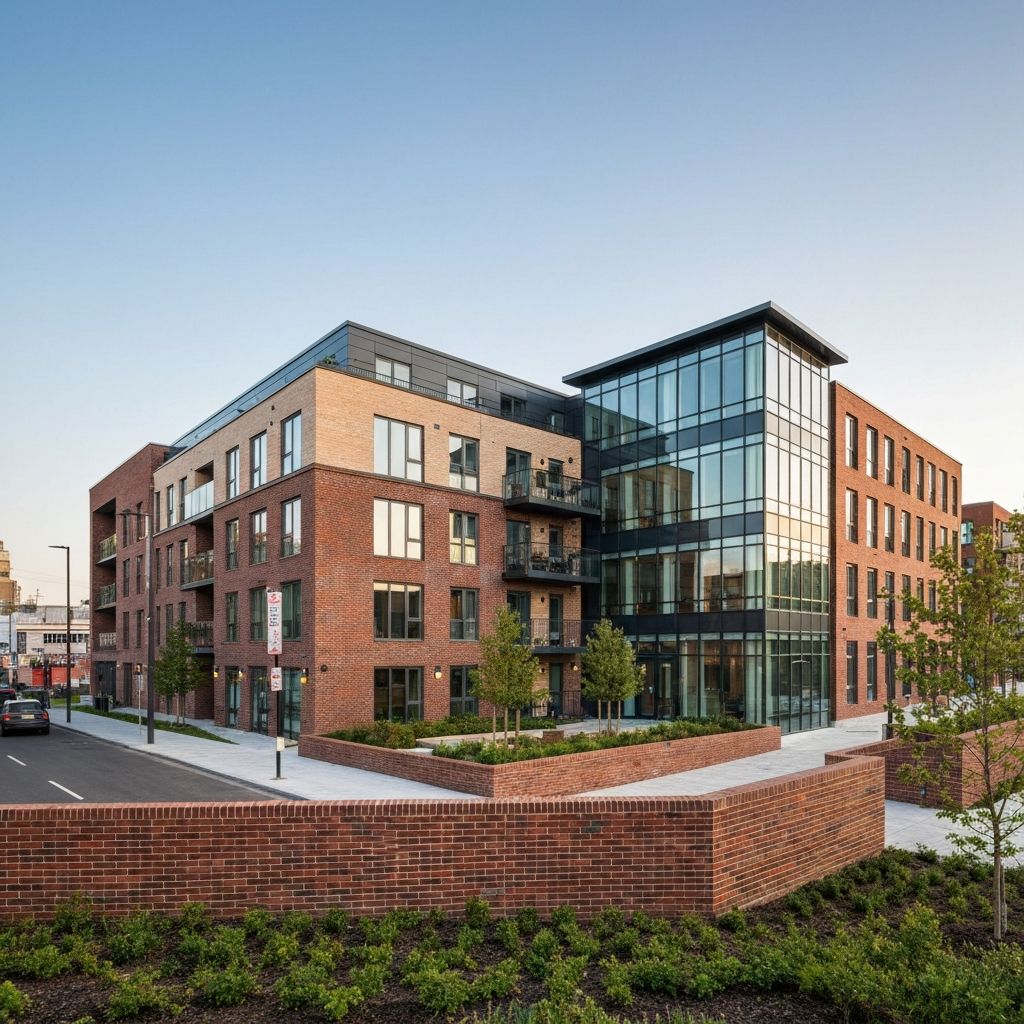
Riverside Quarter
A complex brownfield site requiring significant remediation costs while maintaining affordable housing policy compliance. The site had a legacy of industrial contamination requiring a £9.2m remediation programme. The local authority's adopted policy required 35% affordable housing, which the developer's initial viability assessment showed was undeliverable alongside the infrastructure and remediation costs. A dispute had already arisen between the applicant and the council before Affintis was appointed.
Outcome: Successfully negotiated a 25% affordable housing provision with a revised tenure mix, enabling the scheme to proceed. The review mechanism ultimately delivered an additional 18 affordable units at phase 2 as land values improved. The scheme achieved planning consent within 14 months of appointment and commenced on site in Q3 2022.
£180m GDV
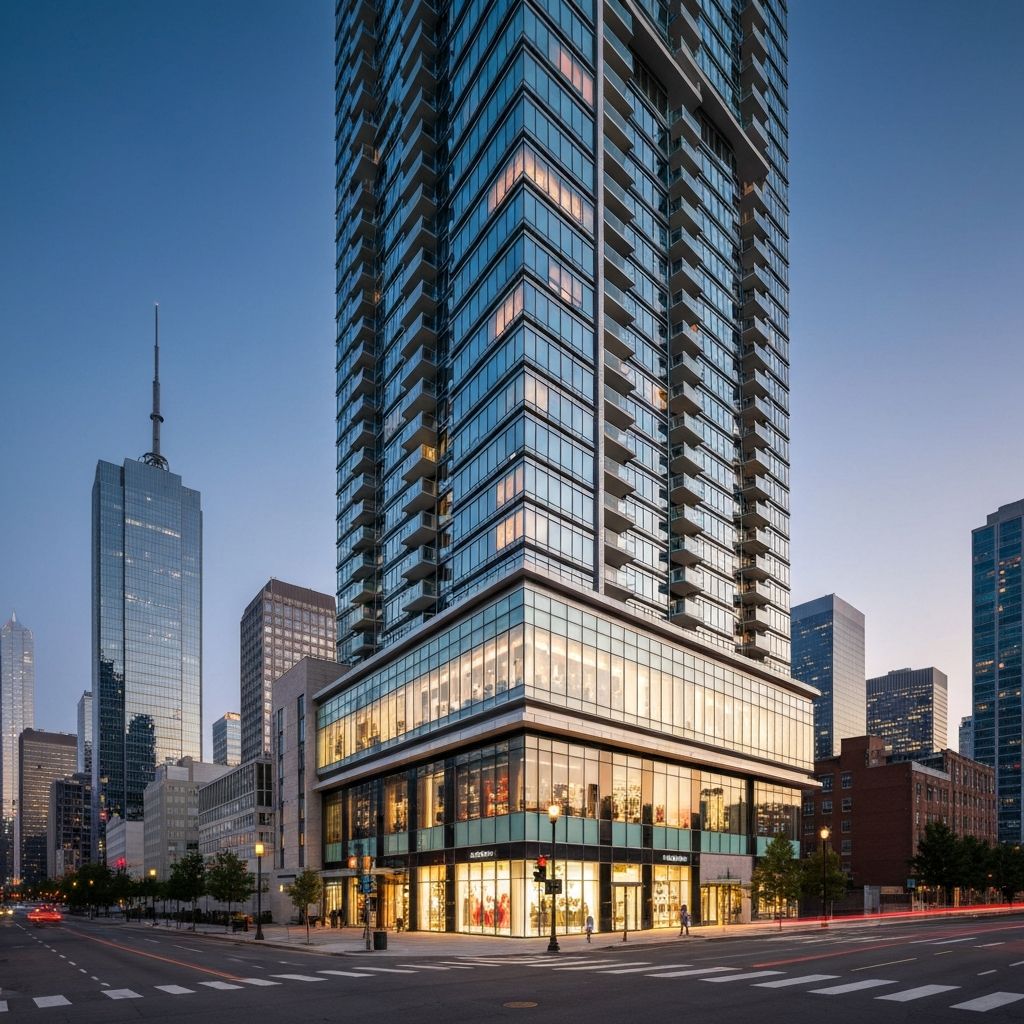
The Exchange Tower
Novel BTR scheme in an emerging market with uncertain rental values and a council seeking policy-compliant affordable provision. Birmingham City Council's planning policy had not yet been updated to reflect the specific characteristics of BTR, and the authority's assessors were initially applying a for-sale viability methodology. Establishing the correct return on cost benchmarks and appropriate rent levels for a new market proved contentious.
Outcome: Established appropriate BTR viability methodology and secured a discounted market rent solution acceptable to all parties. Planning consent was granted in 9 months. The scheme has since achieved rental values 8% above the ERVs used in the viability appraisal, triggering the clawback mechanism and delivering an additional financial contribution to the council's affordable housing programme.
£95m GDV
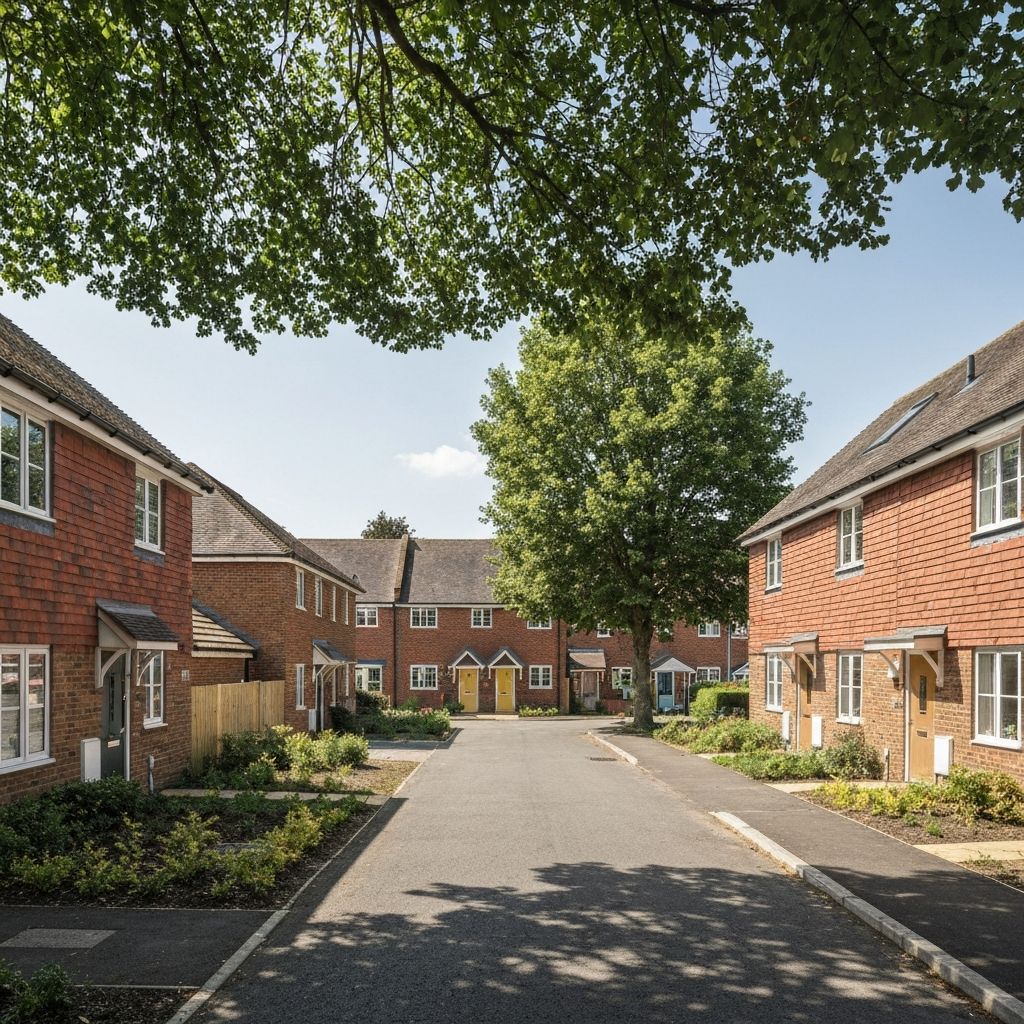
Meadow Gardens
100% affordable scheme requiring grant funding optimisation while meeting housing association development appraisal criteria. The site had been in council ownership for several years without progressing due to the complexity of funding and the requirement to satisfy both Homes England grant criteria and the housing association's internal development appraisal thresholds. Infrastructure contributions required by the local highway authority were threatening scheme viability.
Outcome: Structured the scheme to maximise Homes England grant while maintaining viability for the registered provider. The grant bid was successful at £8.4m (£45,400 per unit), representing a significant uplift on the standard rates. Infrastructure contributions were reduced from £1.8m to £640,000 through negotiation and phasing. All 185 homes are now occupied, with 112 at social or affordable rent.
£42m GDV
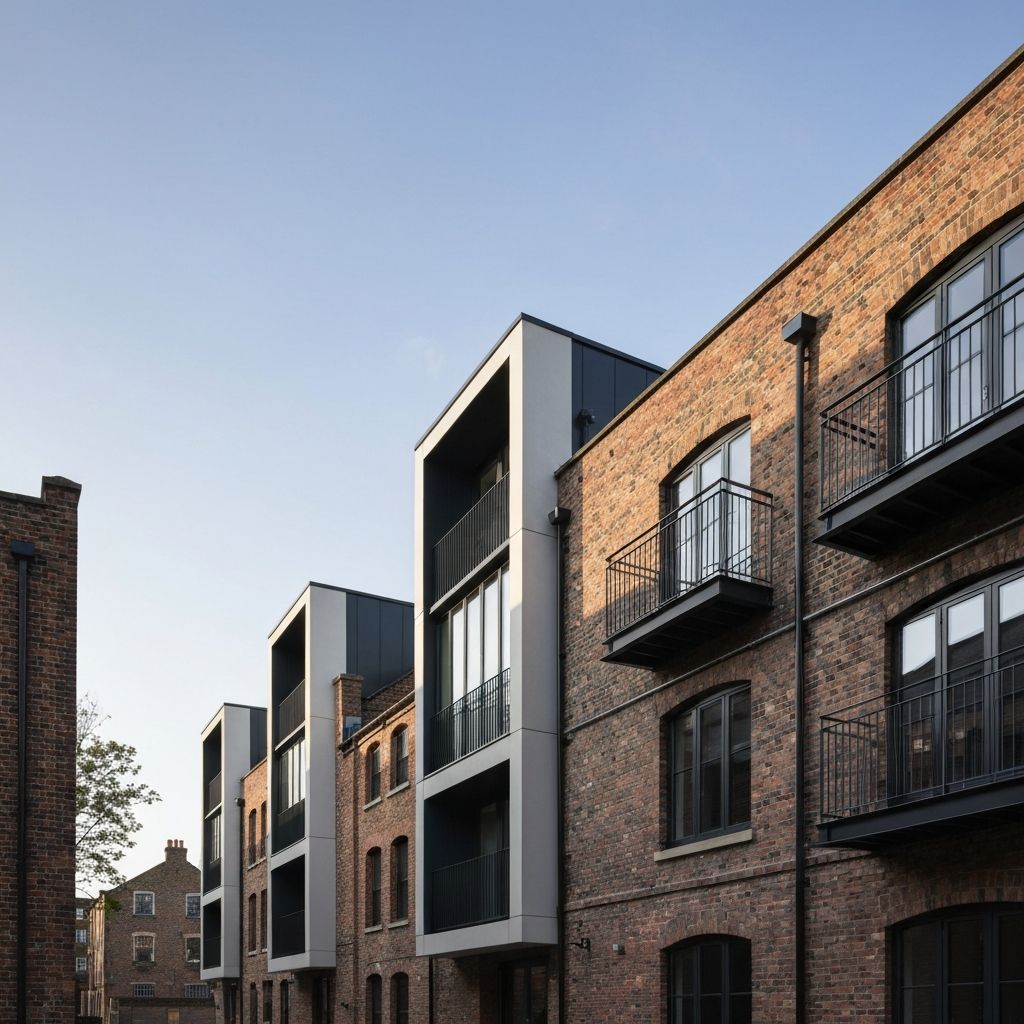
Heritage Wharf
Listed building conversion with exceptional costs requiring reduced planning obligations to ensure delivery. The scheme had been refused planning permission after the council rejected the developer's viability position, insisting on 30% affordable housing. The listed building conversion works carried abnormal cost premiums of over £11m compared with an equivalent new-build scheme, but the council's appointed assessors had not adequately credited these exceptional costs in their viability review.
Outcome: Expert witness evidence at appeal secured reduced affordable housing contribution, unlocking the stalled scheme. The Planning Inspector accepted our evidence and allowed the appeal, finding that the council's viability assessment was methodologically flawed. The Inspector required 15% affordable housing (rather than the 30% sought by the council), enabling the scheme to proceed. Construction commenced within six months of the appeal decision.
£110m GDV
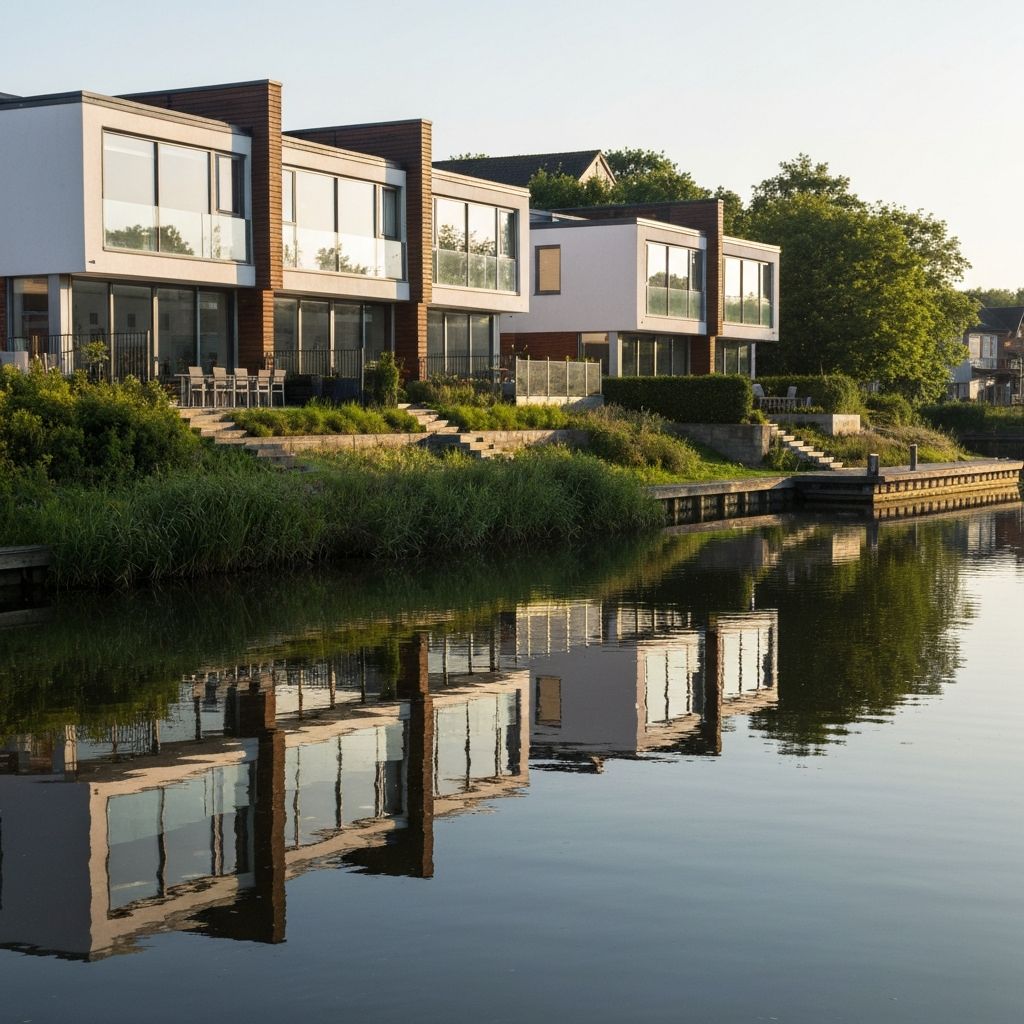
Waterfront Residences
Waterfront development with significant flood mitigation and infrastructure requirements impacting viability. The site's proximity to the River Mersey required a £4.7m flood defence and sustainable drainage system, while Liverpool City Council's Infrastructure Delivery Plan placed significant CIL and S106 obligations on the site. The combined planning obligations represented 14% of GDV, rendering the scheme unviable on initial assessment.
Outcome: Phased S106 payments and CIL relief negotiated, improving cashflow and enabling project commencement. CIL relief was granted at 100% on the basis of exceptional infrastructure costs, saving £2.1m. S106 payments were re-profiled to construction phasing, eliminating a significant early cashflow deficit. The scheme commenced in Q2 2022 and has now completed, with all residential units sold.
£78m GDV

Central Square
City centre regeneration with complex land assembly and competing developer interests requiring independent valuation. The site was subject to three competing planning applications from different developer consortia, each presenting differing viability positions to justify varying levels of affordable housing and commercial mix. The council had no internal resource to critically appraise the competing positions and was reliant on each applicant's self-reported viability evidence.
Outcome: Provided independent viability advice to the council, enabling transparent negotiations with multiple developers. The council selected the development partner offering the best value affordable housing delivery, with 28% affordable housing agreed — the highest of the three schemes and significantly above the city-wide average of 19%. Our independent assessment revealed that one applicant had understated land values by £6.2m to artificially suppress the apparent viability position.
£145m GDV
Ready to discuss your project?
Get in touch to discover how our expertise can help unlock the potential of your development.
Get in Touch